Natural heritage
Caves take thousands of years to form. A broken stalactite or ice formation never grows back.
The caves of Mongolia
We explore and document Mongolia’s caves, and work to pass them on intact.
Research
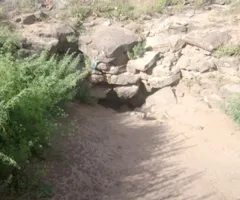
Volcanic historyThe lava tube caves around Dariganga preserve traces of ancient volcanic activity.
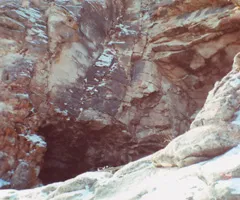
A world of iceSome caves grow ice hangings and ice floors, which record changes in climate.
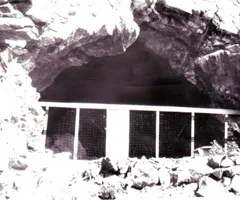
Early human tracesRock paintings and Stone Age tools found in caves are a page of human history.
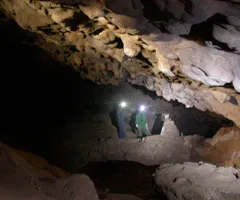
Living habitatCaves shelter bats and rare organisms.
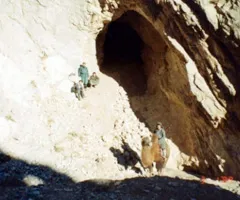
ProtectionCaves are fragile. Surveying and recording them is the first step to protecting them.
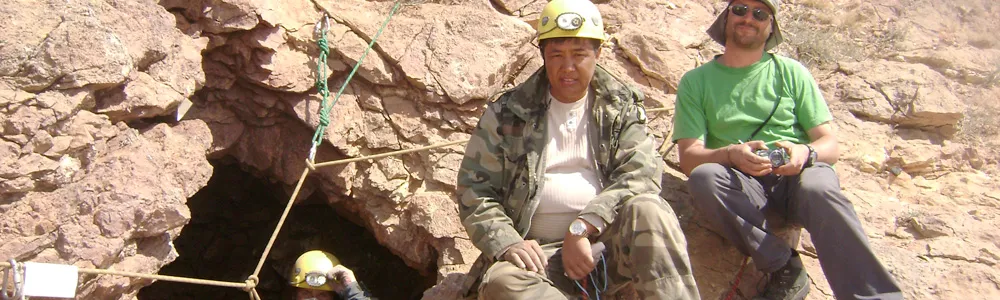
Fieldwork
Association members explore, survey and document caves on site.
Become a memberCaves
Talyn Cave
Expedition route
Day 3
Drive via Öndörkhaan to Ust Cave and stay the night. Dinner and breakfast.
Read moreMap
Caves of Mongolia
Caves in the association’s register stretch from Khovd in the west to Dariganga in the east.
See all cavesNatural heritage
Caves take thousands of years to form. A broken stalactite or ice formation never grows back.
Scientific heritage
The association records each cave’s location, size and cross-sections, and publishes them in books and research papers.
Talyn Cave
The largest and longest known cave of volcanic origin in Mongolia. Its floor is covered by an ice crust.
Read moreLibrary
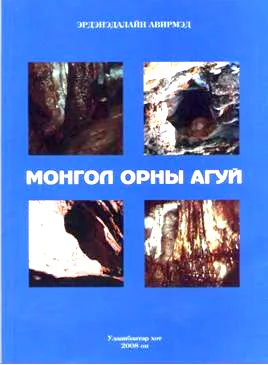
Avirmed E., Ulaanbaatar. A survey of Mongolia's caves: their location, size, origin and classification. The main source for the cave descriptions on this site.
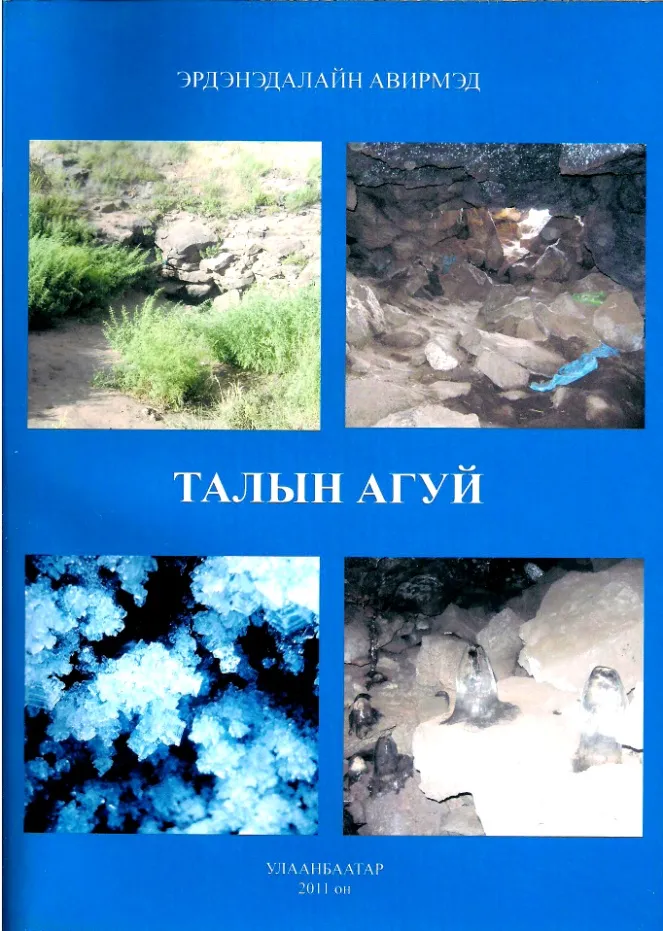
Avirmed E., Ulaanbaatar, 2011. A full study of Talyn Cave, Mongolia's longest cave of volcanic origin, with measurements, plans and cross-sections.
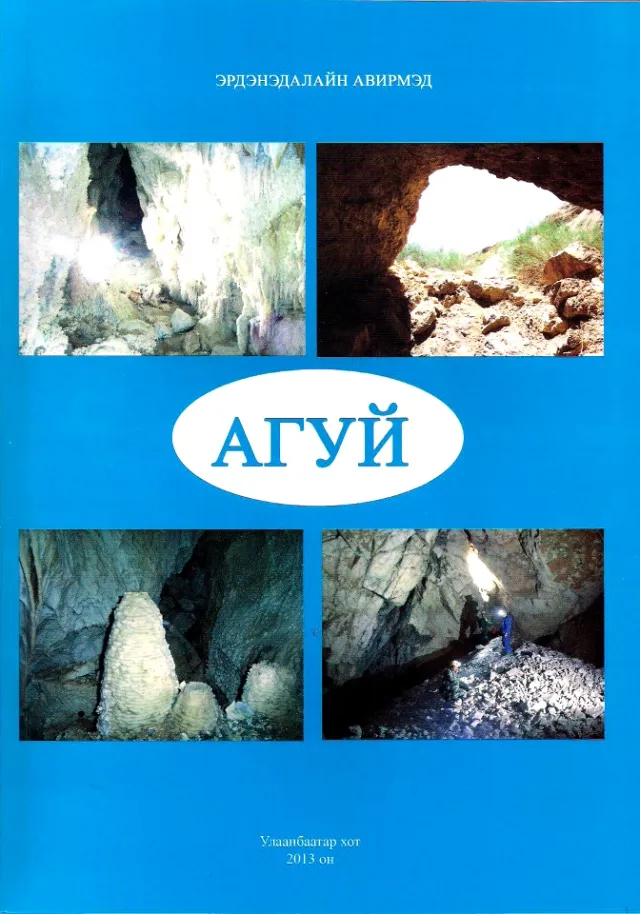
Avirmed E., Ulaanbaatar. A monograph on cave deposits and speleothems. 8 chapters, 124 pages, 99 illustrations.